 fy@fuyigz.com
 0086-519-80181222
Share to




News & Events
Exploring the Efficiency and Benefits of DH Series Briquetting with Roller Presses in Agriculture
Release time: 2024-07-27
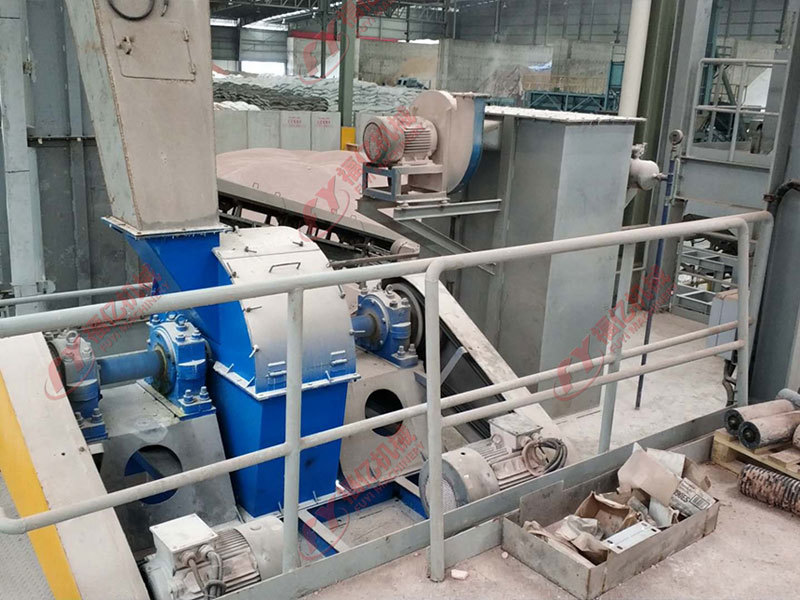
The DH series briquetting with roller presses represents a significant advancement in agricultural machinery, particularly in the area of material processing. This technology utilizes high-pressure roller presses to compress various biomass materials into uniform briquettes. These briquettes are not only easier to handle and transport but also provide a more efficient means of utilizing biomass waste, which is prevalent in agriculture.
One of the primary benefits of using roller presses for briquetting is the ability to process a wide range of materials, including straw, wood shavings, and agricultural residues. This versatility makes the DH series an essential tool for farmers and agricultural businesses looking to optimize waste management practices. Instead of burning or discarding biomass waste, which can have detrimental environmental effects, briquetting allows producers to repurpose this material into valuable products.
In addition to promoting sustainability, the DH series briquetting technology enhances the efficiency of material processing. By compacting loose biomass into briquettes, it significantly reduces the volume of waste, thereby saving space and transportation costs. The high density of the briquettes also results in improved combustion efficiency when used as fuel, making them an attractive alternative to traditional fossil fuels.
Another notable advantage of the DH series briquetting with roller presses is its capacity to produce high-quality briquettes. The consistent size and shape of the briquettes ensure uniform burning characteristics, which is crucial for applications like heating and cooking. This uniformity can lead to increased energy efficiency, reduced emissions, and an overall better user experience.
Moreover, the technology employed in these roller presses is designed with user-friendliness in mind. Operators can easily adjust the pressure and temperature settings to accommodate different types of biomass materials, ensuring optimal briquette quality. This flexibility is particularly advantageous for agricultural operations that process varying feedstocks throughout different seasons.
The implementation of DH series briquetting with roller presses can also contribute to the economic viability of agricultural operations. By transforming waste into a marketable product, farmers can generate additional revenue streams, thus improving their economic resilience. Furthermore, as the global demand for renewable energy sources continues to rise, the production of biomass briquettes represents a timely opportunity for farmers and agricultural enterprises.
In conclusion, the DH series briquetting with roller presses offers numerous advantages in the agricultural sector. From enhancing material processing efficiency to promoting sustainability and generating additional revenue, this technology stands out as a valuable asset for modern agricultural operations. Embracing such innovative solutions not only benefits individual businesses but also contributes to a greener and more sustainable agricultural industry.
One of the primary benefits of using roller presses for briquetting is the ability to process a wide range of materials, including straw, wood shavings, and agricultural residues. This versatility makes the DH series an essential tool for farmers and agricultural businesses looking to optimize waste management practices. Instead of burning or discarding biomass waste, which can have detrimental environmental effects, briquetting allows producers to repurpose this material into valuable products.
In addition to promoting sustainability, the DH series briquetting technology enhances the efficiency of material processing. By compacting loose biomass into briquettes, it significantly reduces the volume of waste, thereby saving space and transportation costs. The high density of the briquettes also results in improved combustion efficiency when used as fuel, making them an attractive alternative to traditional fossil fuels.
Another notable advantage of the DH series briquetting with roller presses is its capacity to produce high-quality briquettes. The consistent size and shape of the briquettes ensure uniform burning characteristics, which is crucial for applications like heating and cooking. This uniformity can lead to increased energy efficiency, reduced emissions, and an overall better user experience.
Moreover, the technology employed in these roller presses is designed with user-friendliness in mind. Operators can easily adjust the pressure and temperature settings to accommodate different types of biomass materials, ensuring optimal briquette quality. This flexibility is particularly advantageous for agricultural operations that process varying feedstocks throughout different seasons.
The implementation of DH series briquetting with roller presses can also contribute to the economic viability of agricultural operations. By transforming waste into a marketable product, farmers can generate additional revenue streams, thus improving their economic resilience. Furthermore, as the global demand for renewable energy sources continues to rise, the production of biomass briquettes represents a timely opportunity for farmers and agricultural enterprises.
In conclusion, the DH series briquetting with roller presses offers numerous advantages in the agricultural sector. From enhancing material processing efficiency to promoting sustainability and generating additional revenue, this technology stands out as a valuable asset for modern agricultural operations. Embracing such innovative solutions not only benefits individual businesses but also contributes to a greener and more sustainable agricultural industry.
Keywords: dh series briquetting with roller presses

language
English
العربية
বাংলাদেশ
Български
Hrvatski
Česky
Dansk
Nederland
 Esperanto
Slovenski
Filipino
Suomi
Français
Maori
 Shqiptare
Georgian
 Euskara
Deutsch
Ελλάδα
ישראל
इंडिया
Magyarország
Ísland
Indonesia
Irlanda
Italia
日本語
Sovensko
Հայաստան
한국
Kyrgyz
ປະເທດລາວ
 Zulu
Zulu
Latvian
Lithuanian
Luxembourgish
 Latinus
Macedonian
Малайская
Maltese
Монгол улс
 Cymraeg
ဗမာ
 தமிழ்
தமிழ்
नेपाल
Norge
ایران
Polska
Portugal
România
Российская
Србија
 Slovak
Србија
 Slovak
Bosanski
Slovenian
Беларус
España
Sverige
Точик
ประเทศไทย
Türk
Azərbaycan
Uzbek
 Afrikaans
Việt Nam
What we offered to customers shall be our excellent products and distinguished services; our promises to customers shall be above anything else.


 fy@fuyigz.com
 +61 426861120
 Message
