 fy@fuyigz.com
 0086-519-80181222
Share to




News & Events
Understanding DH Series Briquetting with Roller Presses: A Comprehensive Guide for Agricultural Machinery
Release time: 2024-10-10
---
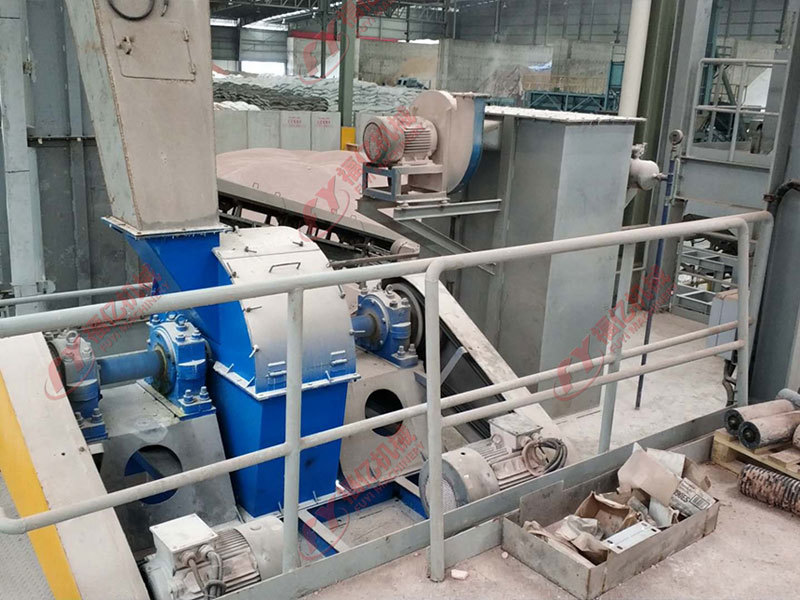
The DH series briquetting with roller presses represents a significant advancement in the agricultural machinery industry, specifically in the processing of biomass materials. This technology is particularly relevant for businesses seeking efficient methods to convert organic waste into valuable products. The core principle behind roller presses is the application of high pressure to compress raw materials into dense briquettes. This process enhances the material's density, making it more convenient for storage and transporting.
One of the primary benefits of the DH series briquetting system is its ability to process a wide variety of agricultural residues, including straw, husks, and other biomass byproducts. By transforming these materials into briquettes, producers can reduce waste while simultaneously generating a marketable product. This not only contributes to sustainability but also opens up additional revenue streams for agricultural businesses.
The mechanism of the roller press involves two counter-rotating rollers that compress the biomass as it passes through. The design of the rollers can vary depending on the specific material being processed, allowing for tailored solutions that maximize efficiency. The compression process generates heat, which can soften the lignin in the biomass, promoting better binding during the briquetting phase. This heat also helps eliminate moisture content, resulting in briquettes that have optimal energy content.
Another important aspect of the DH series is its energy efficiency. The innovative design minimizes energy consumption while maximizing output, making it an economical choice for agricultural operations. Additionally, the compact size of the briquettes produced allows for easier handling and reduced storage costs, which is particularly beneficial for farmers and agricultural businesses with limited space.
In terms of applications, the briquettes produced through this process can be used for various purposes, such as fuel for heating systems or as a raw material for further processing into higher-value products. This versatility makes the DH series briquetting with roller presses an attractive option for both small and large-scale agricultural operations.
In summary, the DH series briquetting with roller presses offers a sophisticated solution for the agricultural sector, enabling the efficient processing of biomass into valuable briquettes. By understanding the mechanics, benefits, and applications of this technology, agricultural businesses can significantly improve their productivity and sustainability efforts.
The DH series briquetting with roller presses represents a significant advancement in the agricultural machinery industry, specifically in the processing of biomass materials. This technology is particularly relevant for businesses seeking efficient methods to convert organic waste into valuable products. The core principle behind roller presses is the application of high pressure to compress raw materials into dense briquettes. This process enhances the material's density, making it more convenient for storage and transporting.
One of the primary benefits of the DH series briquetting system is its ability to process a wide variety of agricultural residues, including straw, husks, and other biomass byproducts. By transforming these materials into briquettes, producers can reduce waste while simultaneously generating a marketable product. This not only contributes to sustainability but also opens up additional revenue streams for agricultural businesses.
The mechanism of the roller press involves two counter-rotating rollers that compress the biomass as it passes through. The design of the rollers can vary depending on the specific material being processed, allowing for tailored solutions that maximize efficiency. The compression process generates heat, which can soften the lignin in the biomass, promoting better binding during the briquetting phase. This heat also helps eliminate moisture content, resulting in briquettes that have optimal energy content.
Another important aspect of the DH series is its energy efficiency. The innovative design minimizes energy consumption while maximizing output, making it an economical choice for agricultural operations. Additionally, the compact size of the briquettes produced allows for easier handling and reduced storage costs, which is particularly beneficial for farmers and agricultural businesses with limited space.
In terms of applications, the briquettes produced through this process can be used for various purposes, such as fuel for heating systems or as a raw material for further processing into higher-value products. This versatility makes the DH series briquetting with roller presses an attractive option for both small and large-scale agricultural operations.
In summary, the DH series briquetting with roller presses offers a sophisticated solution for the agricultural sector, enabling the efficient processing of biomass into valuable briquettes. By understanding the mechanics, benefits, and applications of this technology, agricultural businesses can significantly improve their productivity and sustainability efforts.
Keywords: dh series briquetting with roller presses

language
English
العربية
বাংলাদেশ
Български
Hrvatski
Česky
Dansk
Nederland
 Esperanto
Slovenski
Filipino
Suomi
Français
Maori
 Shqiptare
Georgian
 Euskara
Deutsch
Ελλάδα
ישראל
इंडिया
Magyarország
Ísland
Indonesia
Irlanda
Italia
日本語
Sovensko
Հայաստան
한국
Kyrgyz
ປະເທດລາວ
 Zulu
Zulu
Latvian
Lithuanian
Luxembourgish
 Latinus
Macedonian
Малайская
Maltese
Монгол улс
 Cymraeg
ဗမာ
 தமிழ்
தமிழ்
नेपाल
Norge
ایران
Polska
Portugal
România
Российская
Србија
 Slovak
Србија
 Slovak
Bosanski
Slovenian
Беларус
España
Sverige
Точик
ประเทศไทย
Türk
Azərbaycan
Uzbek
 Afrikaans
Việt Nam
What we offered to customers shall be our excellent products and distinguished services; our promises to customers shall be above anything else.


 fy@fuyigz.com
 +61 426861120
 Message
